
Common Electrical Faults in UK Homes – And When to Call an Emergency Electrician
Electrical faults are one of the most common, and potentially dangerous, issues UK homeowners face. From a tripped fuse box in the middle of the night to the unsettling smell of burning coming from a socket, knowing how to respond to electrical problems could protect your property and save lives.
In this guide, we walk you through the most common electrical faults found in UK homes, the warning signs you should never ignore, the immediate safety steps to take, and when it's time to stop waiting and call an emergency electrician.
What Counts as an Electrical Emergency?
An electrical emergency is any situation where a fault or malfunction in your electrical system poses an immediate or growing risk to people or property. Some issues may appear minor at first but can escalate rapidly — a buzzing socket can become an electrical fire; a flickering light can signal dangerous wiring behind the walls.
Understanding the difference between a fault that can wait until morning and one that needs a 24-hour electrician right now is crucial knowledge for every UK homeowner.
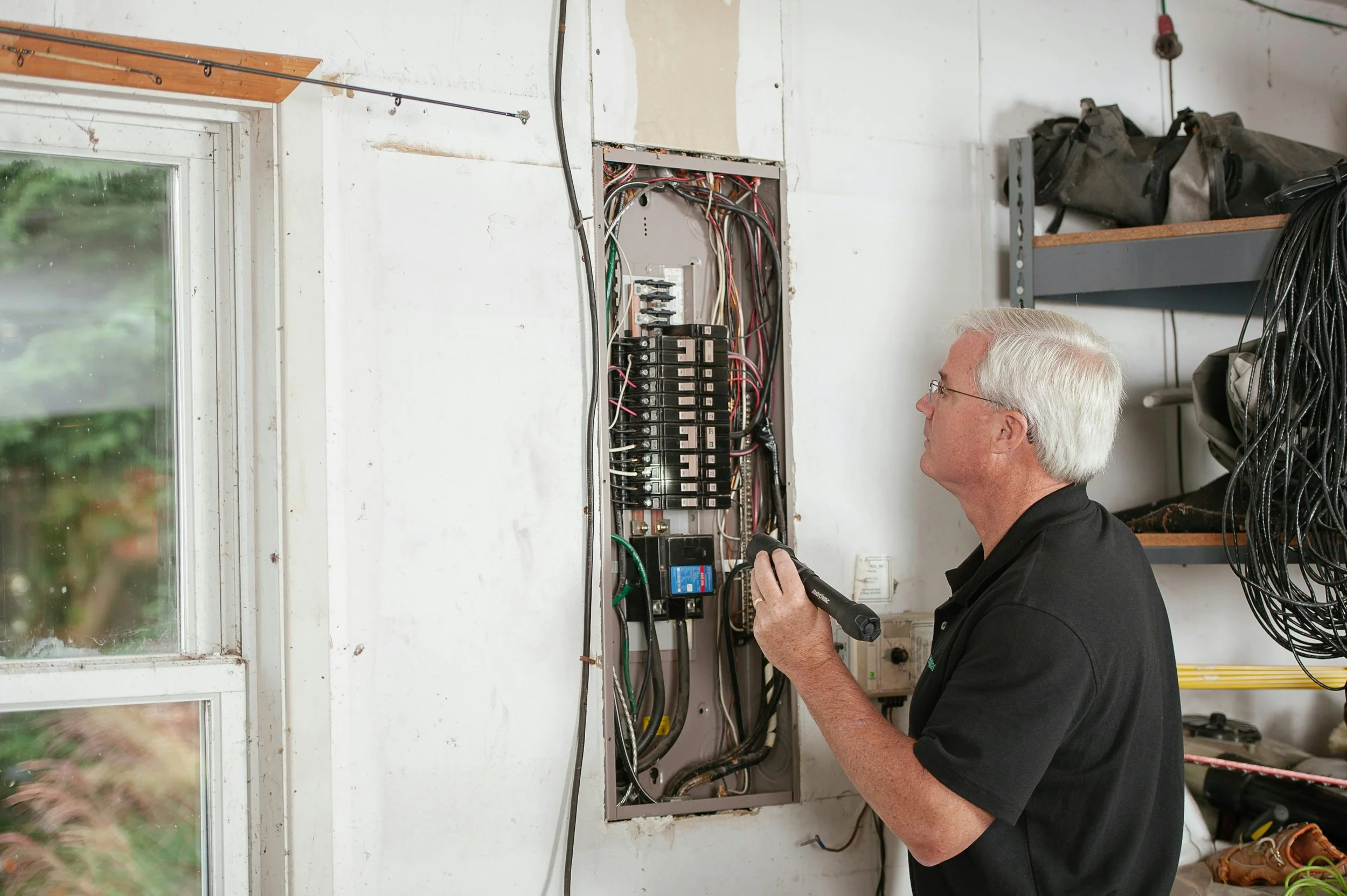
The 6 Most Common Electrical Faults in UK Homes
Tripped Circuit Breakers and Fuse Boxes
One of the most frequent reasons people call an emergency electrician is a tripped consumer unit (fuse box). Circuit breakers are designed to protect your home — when they detect an overload or fault, they cut the power to prevent damage or fire.
What causes it?
Overloaded circuits (too many appliances on a single circuit)
A faulty appliance that's drawing too much power
A wiring fault on the circuit
A failing main switch inside the consumer unit
What you can do safely: If a single breaker trips once, it is generally safe to reset it by flicking the switch back to the "on" position. However, if it trips again immediately or repeatedly, do not keep resetting it. Repeated tripping is a warning sign that something more serious is wrong and requires professional investigation.
When to call an emergency electrician: If your fuse box trips repeatedly, refuses to reset, or if multiple circuits lose power at once, contact a 24-hour electrician. This is not something to leave until the morning.
Complete Power Cuts (Total Power Failure)
A sudden, complete loss of power throughout your home is alarming — and not always caused by your energy supplier.
What causes it?
A problem with your local electricity network (check with your supplier or the National Grid first)
A failing main switch or consumer unit
Loose wiring connections on the incoming supply
A blown mains supply fuse (this must only be replaced by a qualified electrician or your network operator)
What you can do safely: Before calling an emergency electrician, check whether your neighbours also have no power. If so, it may be a network issue. You can report widespread power outages via the official government page at the National Grid - Power Cut Map or by calling 105 (the UK's free power cut helpline). If your neighbours have power and you don't, the fault is likely within your property and requires a qualified electrician.
When to call an emergency electrician: Any internal power cut that cannot be explained by a supplier outage warrants an emergency call-out. An electrician will carry out a full fault-find and restore power where possible on the same visit.
Burning Smells, Scorch Marks, or Smoke Near Sockets and Switches
This is one of the most serious warning signs you can encounter in your home. A burning smell — often described as hot plastic or overheated metal — near an outlet, switch, or consumer unit indicates that something is overheating.
What causes it?
Overheating or damaged wiring
Loose connections inside a socket or switch
A short circuit
Overloaded circuits with melting insulation
What you can do safely: If you smell burning or notice scorch marks around a socket or switch, stop using it immediately. Do not plug anything else in. If it is safe to do so, switch off the power at the consumer unit. Do not attempt to open the socket or investigate further yourself.
When to call an emergency electrician: Immediately. A burning smell is an early warning sign of an electrical fire. Do not wait. If you see smoke or flames, leave the property, call 999, and do not re-enter until the fire service tells you it is safe to do so.
Flickering or Dimming Lights
Occasional flickering when a large appliance starts up can be normal. However, persistent flickering — especially across multiple rooms or paired with buzzing sounds — can indicate a more serious underlying fault.
What causes it?
Loose wiring connections
An overloaded circuit
Problems with the light fitting or fixture
Outdated wiring that cannot meet modern electrical demand
What you can do safely: Check whether the bulb is properly secured. If flickering persists after this, do not attempt to investigate the wiring yourself.
When to call an emergency electrician: If lights flicker frequently, affect multiple rooms, are accompanied by buzzing sounds, or if fixtures feel warm to the touch, contact a qualified electrician urgently. Persistent flickering can signal wiring problems that carry a real fire risk.
Faulty or Warm Sockets and Switches
Sockets and switches that feel warm, appear discoloured, buzz, spark when used, or have stopped working altogether are a cause for concern.
What causes it?
Loose or damaged internal wiring
Overloading (too many devices drawing power from one socket)
Damaged or old socket components
Poor original installation
What you can do safely: Stop using any socket or switch that feels warm, buzzes, sparks, or shows visible burn marks. Unplug any devices connected to it.
When to call an emergency electrician: A socket that sparks or shows burn marks should be treated as urgent. A warm or non-working socket should be assessed by a qualified electrician as soon as possible — these faults can cause electric shocks and fires if left unchecked.
Electrical Shocks from Appliances or Switches
Receiving an electric shock — even a mild tingling sensation — when touching an appliance, switch, or outlet is never acceptable and should never be dismissed.
What causes it?
Faulty wiring or grounding issues
Damaged appliance internal components
A fault in the earthing of your electrical system
What you can do safely: Stop using the appliance or switch immediately. Do not touch it again. If someone has received a serious electric shock, call 999 immediately.
When to call an emergency electrician: Any electric shock from a fixed installation (socket, switch, or light fitting) warrants an immediate call to an emergency electrician. Do not use that circuit until it has been professionally inspected.
What About Faulty Consumer Units?
The consumer unit (commonly called the fuse box) is the heart of your home's electrical system. Older consumer units — particularly those lacking modern RCD (Residual Current Device) protection — are a common cause of electrical emergencies in UK homes.
An RCD is a safety device that cuts off the electricity supply if it detects a fault, helping to prevent electric shocks and electrical fires. Modern consumer units in the UK are required to have RCD protection under current wiring regulations (BS 7671).
Signs your consumer unit may need urgent attention:
Repeated tripping that won't resolve
Visible damage, rust, or scorch marks on the unit
The unit feels warm or emits a burning smell
Your consumer unit is old and does not appear to have RCD protection
A qualified emergency electrician can replace a faulty consumer unit — in many cases on the same visit — to restore safety to your home.
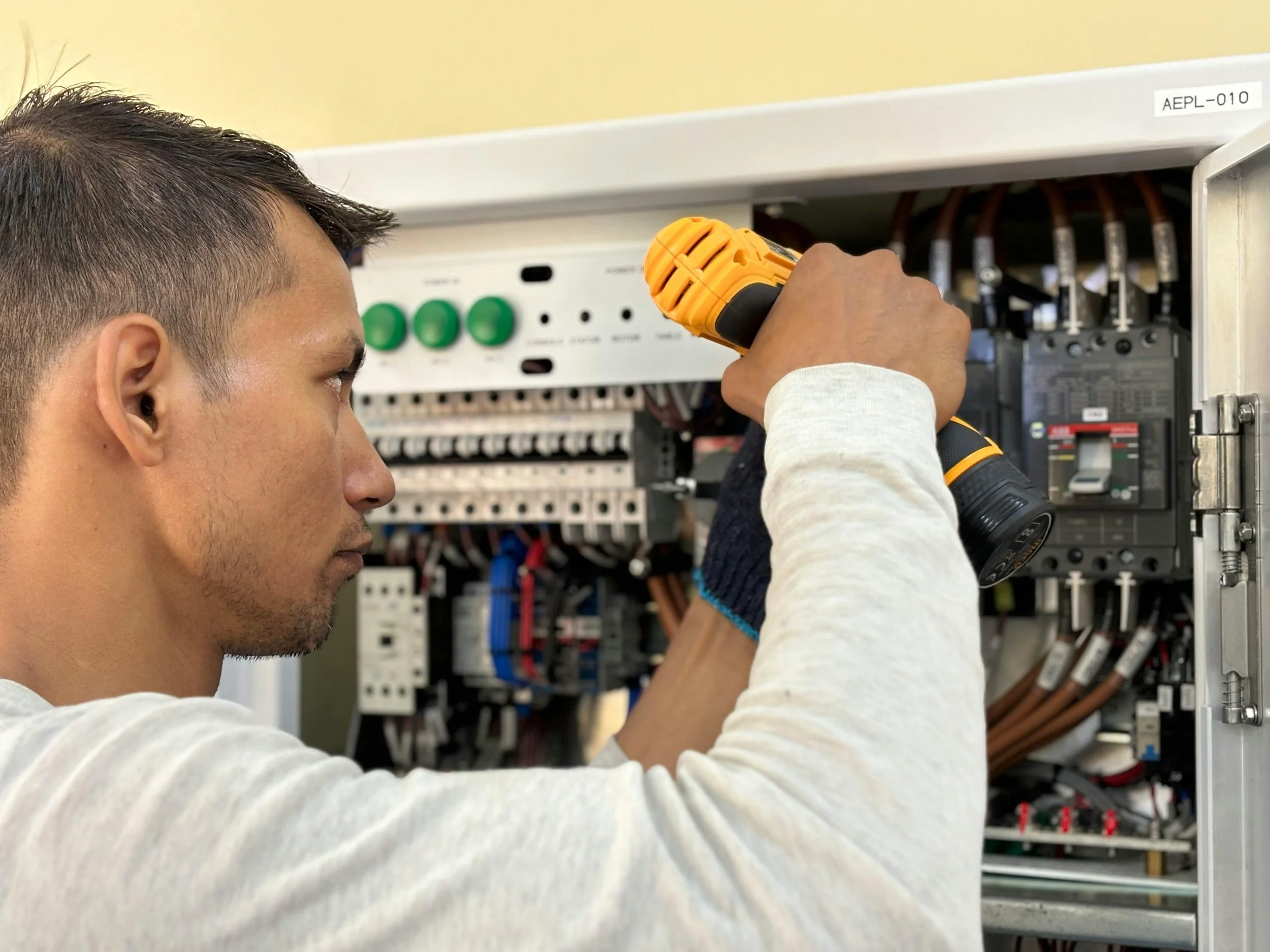
Immediate Safety Steps During an Electrical Emergency
While you should never attempt electrical repairs yourself, there are a small number of safe steps you can take while waiting for an emergency electrician:
Switch off the main power at the consumer unit if it is safe to reach and do so.
Stop using the affected socket, switch, or appliance immediately.
Keep children and pets away from the affected area.
Do not touch exposed wires, warm outlets, or any damaged components.
Do not reset a circuit breaker more than once if it immediately trips again.
If there is smoke, flames, or a strong burning smell, evacuate the property and call 999.
If someone has received a serious electric shock, call 999 immediately. Do not touch the person if they are still in contact with a live electrical source.
Regular vs. Emergency Electrician: Which Do You Need?
Not every electrical issue requires an emergency call-out. Here's a simple way to think about it:
Call a regular (scheduled) electrician for:
Routine maintenance and inspections
Installing new sockets or light fittings
Home rewiring projects
Electrical Installation Condition Reports (EICRs)
Non-urgent fault investigation
Call an emergency electrician immediately for:
Complete power cuts not caused by a network outage
Burning smells, scorch marks, or smoke near electrical components
A consumer unit that trips repeatedly and won't reset
Any electric shock from a fixed installation
Suspected electrical fire
Exposed or visibly damaged wiring
Any situation where you are unsure and your safety may be at risk
When in doubt, always treat it as an emergency. The cost of a call-out is far less significant than the cost of a fire or injury.
How to Reduce the Risk of Electrical Faults
While emergencies can't always be prevented, these steps help keep your home's electrical system as safe as possible:
Book a regular EICR (Electrical Installation Condition Report). A qualified electrician will inspect your wiring, consumer unit, sockets, and earthing. For homeowners, this is recommended every 10 years; for landlords, it is a legal requirement every 5 years or upon change of tenancy.
Don't overload sockets or extension leads. Spreading appliances across circuits reduces the risk of overloading.
Use quality, certified products. Look for the British Standard (BS) mark or CE certification on plugs, extension leads, and adapters.
Replace old or damaged extension leads. These are one of the most common causes of tripped circuits and electrical faults in UK homes.
Install smoke alarms and test them regularly. Early detection of electrical fires saves lives.
Consider upgrading an older consumer unit. If your fuse box is old or lacks RCD protection, talk to a qualified electrician about a replacement.
Need an Emergency Electrician Now?
If you're dealing with an electrical emergency anywhere in the UK, Emergency Hero connects you with fully qualified, vetted local electricians available 24 hours a day, 365 days a year. With 87% of call-outs attended within 90 minutes, clear pricing confirmed before any work begins, and no hidden fees, help is never far away.
Visit emergencyhero.co.uk or call us any time — day or night.
This blog post is intended for general information purposes only. It does not constitute professional electrical advice. If you are in any doubt about the safety of your electrical installation, contact a qualified, registered electrician immediately. In the event of a fire or serious injury, always call 999 first.